
A Macrocephalus Mother's Day Tradition
May 27, 2026
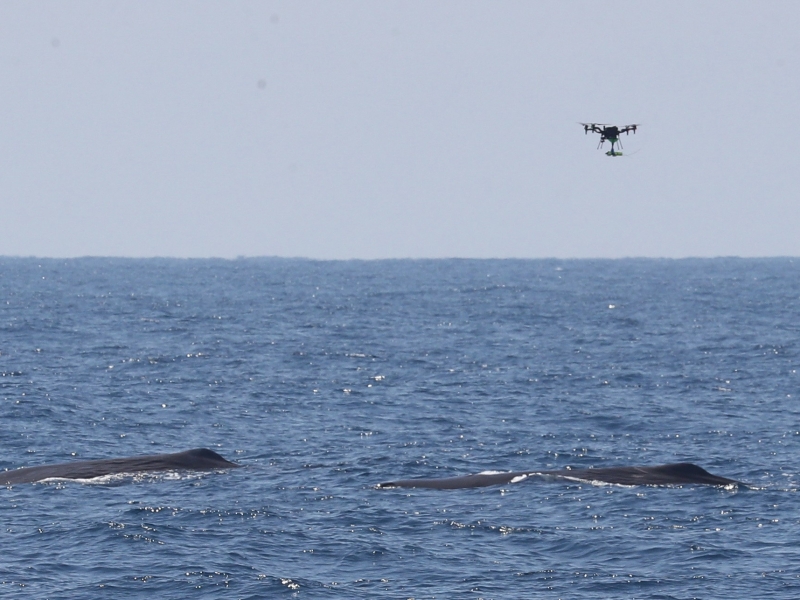
HDR-lead team encountered a group of mainly female sperm whales with calves on Mother's Day for the 2nd year in a row, and successfully deployed a tag from a drone. We believe it's the first CATS tag deployed on a sperm whale via drone.
Mesoplodon mysterioso
June 13, 2024
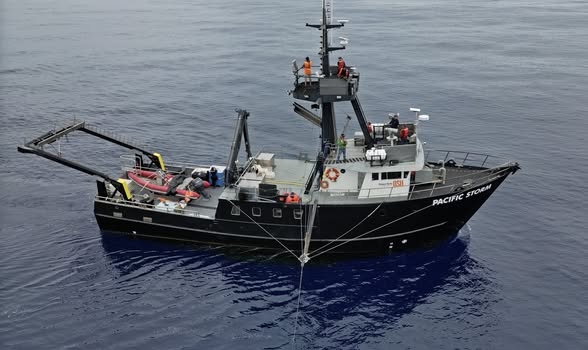
We are thrilled to be part of the "Mystery Mesoplodon Expedition" off the west coast of Baja California searching for an elusive new species of beaked whale. Read about the initial discovery and stay tuned for updates on this exciting expedition!
Whales of Summer
June 10, 2024
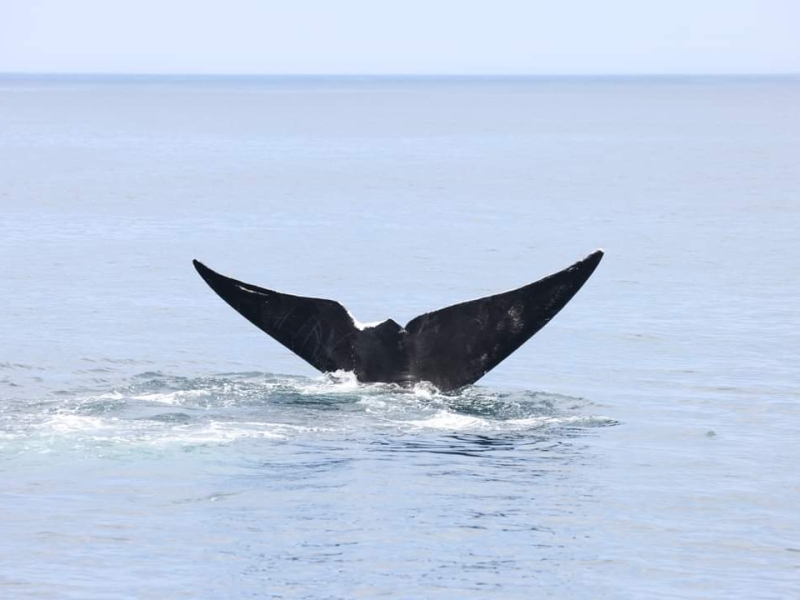
In the mid-Atlantic, baleen whale sightings typically occur during the colder months, with peak activity in December and January. Sightings of humpback and right whales usually decrease by late March through April. While occasional baleen whale sightings, particularly of fin whales, happen during warmer months, large groups are uncommon as summer approaches. Pelagic surveys during this time often focus on odontocetes like sperm whales and beaked whales.
New Right Whale Calf Seen Off Virginia!
June 3, 2024
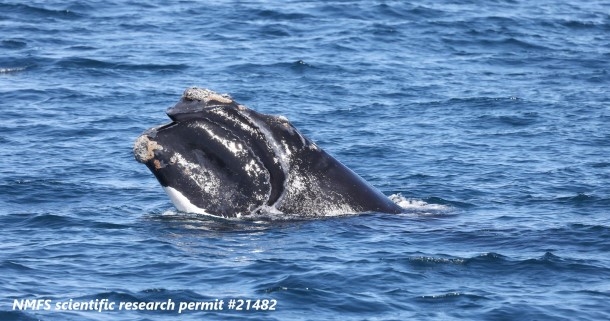
On Saturday 01 June 2024 during one of our offshore surveys 60 miles southeast of Virginia Beach, we encountered North Atlantic right whale Pico (Catalog #3270) and her calf!
Seal Tagged in 2022 is Back Again!
February 14, 2024
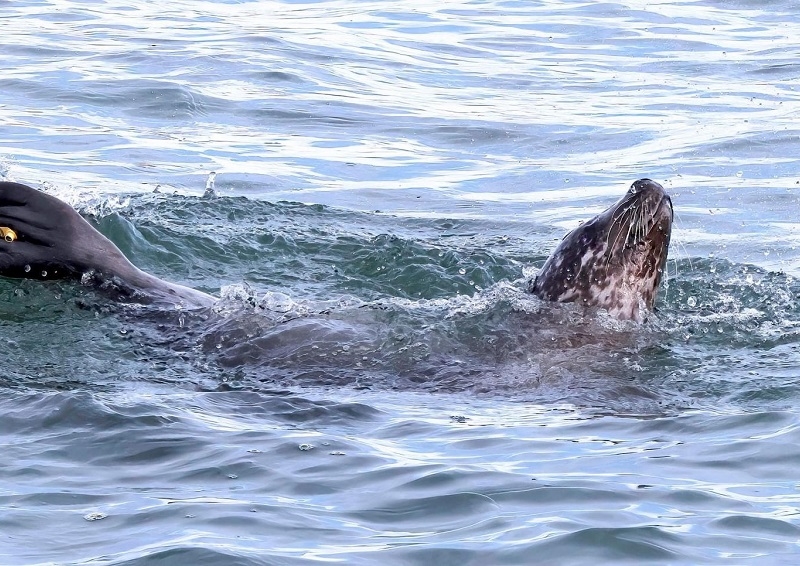
On 10 February 2024, a local wildlife enthusiast, Caroline Prevost, was out on the Chesapeake Bay when she observed some harbor seals enjoying time in the water near island 4 of the Chesapeake Bay Bridge Tunnel.

Using drones to study whales from a new perspective
November 21, 2023
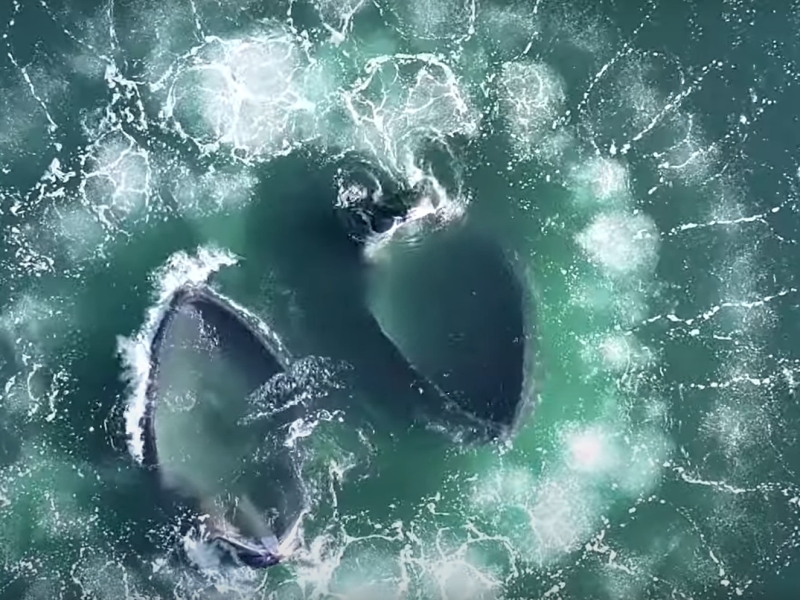
Small unmanned aircraft systems (sUAS) or “drones” are increasingly being used to study marine mammals from a different perspective.
Current
North Pacific Marine Mammal Species Distribution
Project Objectives
Develop a North Pacific-wide species distribution model for cetaceans
Complete
Hawaiian Monk Seal Tagging
Project Objectives
Investigate potential impacts of naval activities on Hawaiian monk seals
More details
Collapse details
Date Published:
Filesize:
- January 1, 2023
Analysis of scat samples from animals is a non‐invasive technique that can provide important data on animal diet, hormone levels, microbiome, and genetics. The use of a trained Conservation Canine (K9) to detect marine mammal scat at sea has been proven to be useful in the Pacific Northwest with Southern Resident Killer Whales (Lundin et al. 2016) and in other unpublished reports and media, but until now, had not been documented in Hawaii. In order to explore the viability of this method in Hawaii, the Navy invested in a pilot study, where the K9 was successfully trained to detect and ‘direct’ boat drivers – via changes in behavior – to the scat of three species of marine mammals (G. macrorynchus, K. breviceps, and P. crassidens).
- 408.64 KB